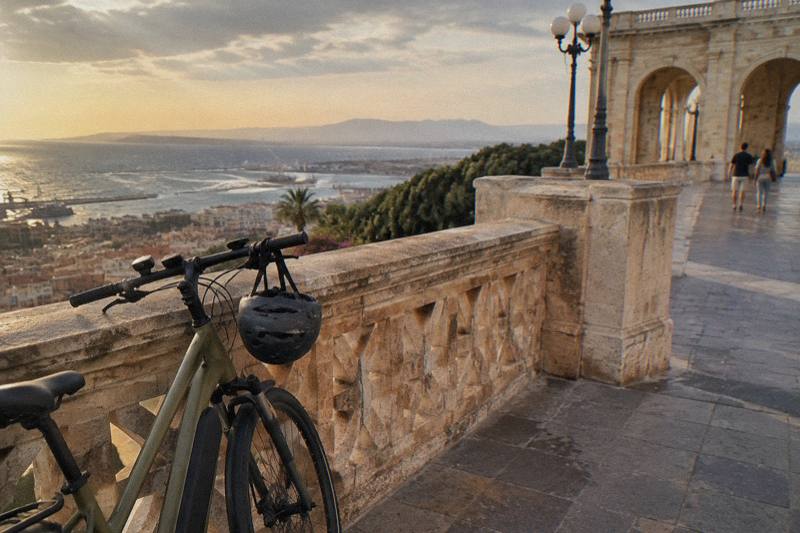
Things To Do In Cagliari
Cagliari stacks a walled medieval quarter, a flamingo lagoon, an eight kilometre city beach and a protected coastal headland into one compact city, and most of it sits within an easy ride of the cruise port.
Short answer
The best things to do in Cagliari cover the four historic districts of Stampace, Castello, Villanova and Marina, the flamingos of Molentargius, the eight kilometre Poetto beach and the Sella del Diavolo headland. Guided e-bike rides run from $50 to $80 per person and link several of these in a single outing.
Cagliari is one of the few Mediterranean capitals where a pink flamingo lagoon sits between the city centre and the beach. The Molentargius-Saline park, the salt pans and the eight kilometres of Poetto sand sit a short ride from a walled medieval quarter that rises above one of the busiest cruise ports in the western Mediterranean, a port that recorded a quadruple ship call bringing more than 11,000 passengers on a single October day. This guide walks through the things to do in Cagliari district by district, then explains how a guided e-bike ride ties several of them together in a few hours. Before you plan your route between the old town and the beach, it helps to know whether a hop-on hop-off sightseeing bus runs in Cagliari and which transport options work instead.
What Are The Best Things To Do In Cagliari?
The best things to do in Cagliari are exploring the four historic districts on foot or by e-bike, watching flamingos at Molentargius-Saline, riding or walking the Poetto seafront, hiking the Sella del Diavolo headland, and eating and drinking your way through the Marina and Stampace streets. Most visitors can combine two or three of these in a single day because the city is compact and largely flat along the water. If you're tight on time, our guide to whether a weekend in Cagliari is enough shows how to fit the historic districts, the Poetto seafront, and the flamingos into a realistic plan.
The city divides naturally into two halves. Above sit the old districts, Castello on the summit with Stampace, Villanova and Marina around its base, a tangle of limestone walls, towers and sun-bleached churches. Below and to the east sits the water: the lagoon where flamingos feed year round, then the long ribbon of Poetto beach running toward Quartu Sant'Elena. The two halves are connected by a cycling and walking network that keeps growing, with a metropolitan Biciplan approved in February 2026 that expands the route network to 366 km across Cagliari and 17 neighbouring municipalities. If you're wondering how those hilltop districts and lagoon flamingos earned the city its reputation, our guide to why Cagliari is famous covers the full story.
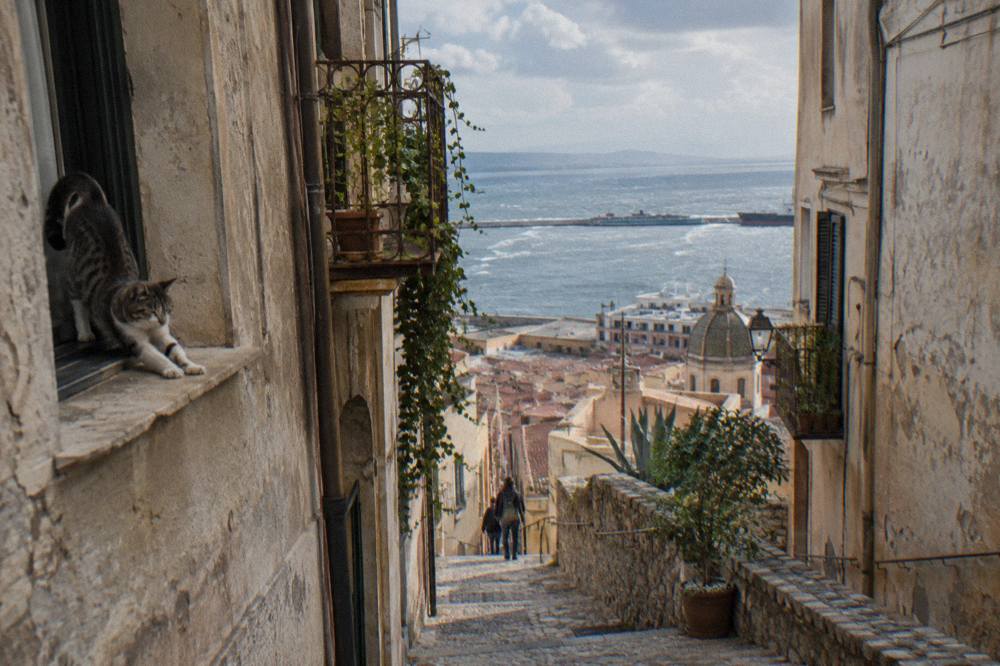
How you move between these things matters more than in most cities, because the old town sits on a hill and summer heat is real. July averages a high of 31.6 degrees and August 32, with almost no rain. An e-bike flattens the climb to Castello, and several guided rides leave from meeting points close to the port, which is why they suit cruise passengers and short-stay visitors alike. For a wider look at how the city's riding options compare, the Cagliari Bike Tours pages break down routes, rentals and guided options in detail.
| Area | What it is | Best for | Time needed |
|---|---|---|---|
| Castello | Walled medieval quarter on the summit | Towers, views, cathedral | Half day on foot |
| Stampace | Historic district with Roman ruins and churches | Quiet lanes, Sant'Efisio church | 1 to 2 hours |
| Villanova | Old artisan quarter east of Castello | Cafes, local life | 1 hour |
| Marina | Old port district below the walls | Seafood, evening passeggiata | 2 hours, evening |
| Molentargius-Saline | Regional park, lagoon and salt pans | Flamingos, birdlife | 2 to 4 hours |
| Poetto | 8 km city beach and promenade | Swimming, cycling, beach bars | Half day |
| Sella del Diavolo | Protected coastal headland | Hiking, cliff views | Half day |

How Do You See The Four Historic Districts In One Day?
You can see Stampace, Castello, Villanova and Marina in one day by pairing a morning ride with an afternoon on foot, or in a single two to three hour guided e-bike ride. The Old Town Guided E-Bike Ride covers all four districts in about two hours, from $56 per person, rated 4.9 across 325 reviews, meeting at Via Santa Margherita 22 near the port.
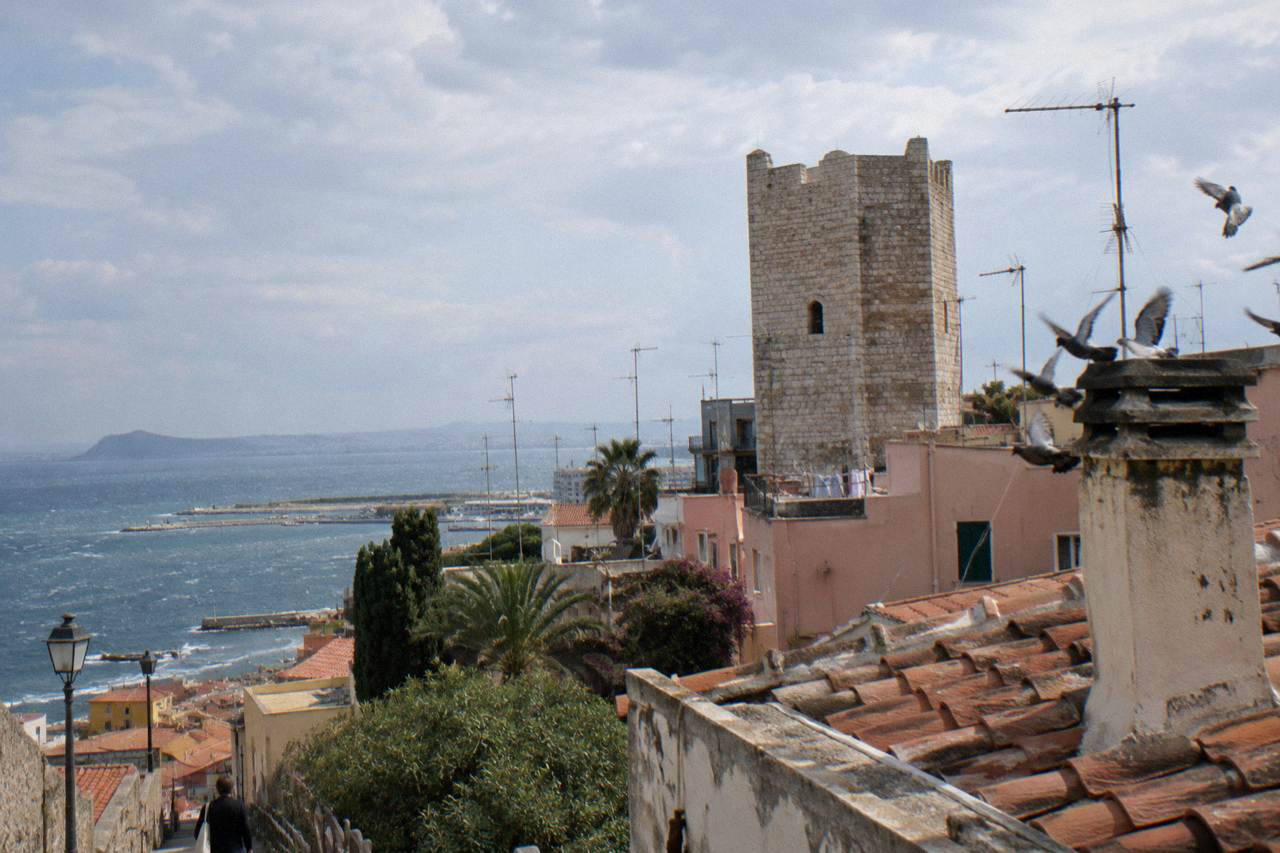
The four districts form a rough ring around and over the Castello hill, and each has its own character. Castello holds the cathedral, the Pisan towers and the Bastione di Saint Remy, whose terrace is the classic first view of the city and costs nothing. Stampace, below to the west, holds Roman amphitheatre ruins and the church dedicated to Sant'Efisio, the martyr whose procession fills these streets every 1 to 4 May, next in 2027. Villanova is the quiet residential quarter of low houses and small squares, and Marina, at the foot of the walls, is where the seafood restaurants and the evening passeggiata concentrate.
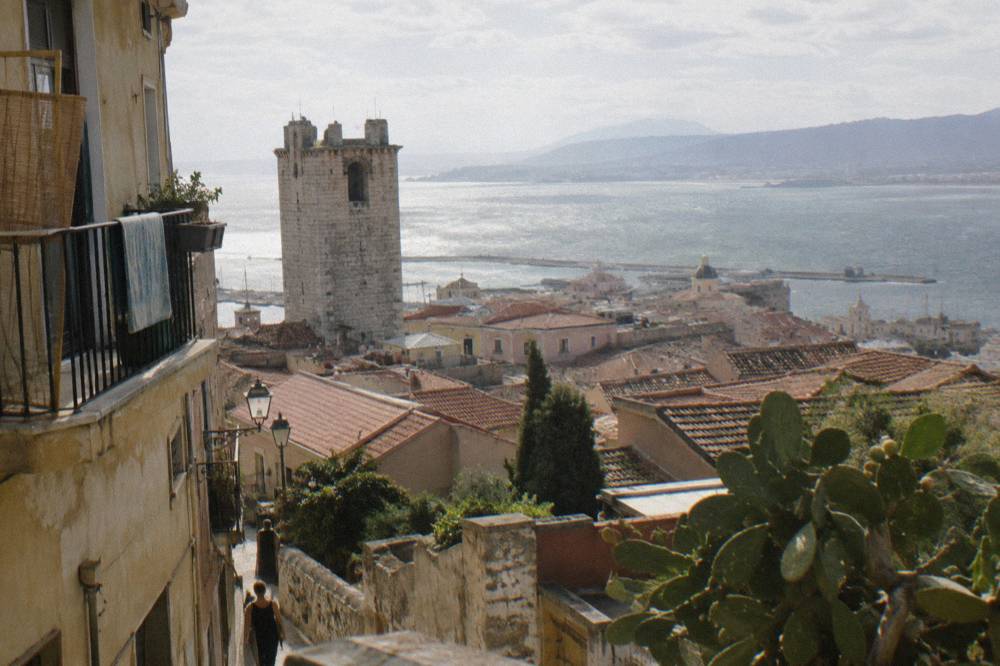
Riding the ring beats walking it in summer because the climb from Marina up into Castello is steep and unrelenting. A pedal-assist bike does the work: Italian law treats a compliant e-bike, motor capped at 250 W with assistance cutting out at 25 km/h, exactly as a bicycle, so these rides can use the same streets and limited traffic zones as any bike. The comune confirms bicycles and e-bikes may enter and park in all the central limited traffic zones without a pass, which is why an old town ride can reach lanes a tour van cannot.
If you prefer to go alone, the Castello old town walking guide covers the district street by street. The guided options below pair the old town with different second halves, which is a sensible way to structure a first day.
The Old Town E-Bike With Coffee Stop runs about two hours from $53 per person, rated 4.9 across 369 reviews, with a group capped at nine riders, bottled water and a coffee or tea included, meeting at the same Via Santa Margherita 22 address. A slower alternative is the Three-Hour Old Town E-Bike Tour from $56 per person, rated 4.7 across 18 reviews, run by Easycletta - eBike Rental and Tours, with what's included set out on the live booking page.
Where Can You See Flamingos Near Cagliari?
You can see flamingos at the Molentargius-Saline Regional Natural Park, a lagoon and former salt-pan complex that sits directly between the city centre and Poetto beach. Greater flamingos are present there year round, with the colonies largest and nesting from April to September, and the best viewing from the canals and paths on the city side of the park.
The park is the reason Cagliari feels different from every other Sardinian city. A settled flamingo population has nested near the city steadily since 1993, and the birds feed in the shallow lagoons close enough to the Poetto side that riders on the seafront path routinely stop to look. The park's green areas are open daily, 06:30 to 21:00 from 1 March to 15 October and 07:00 to 18:00 from 16 October to 28 February, with an infopoint open 08:30 to 18:30 in the cooler months.
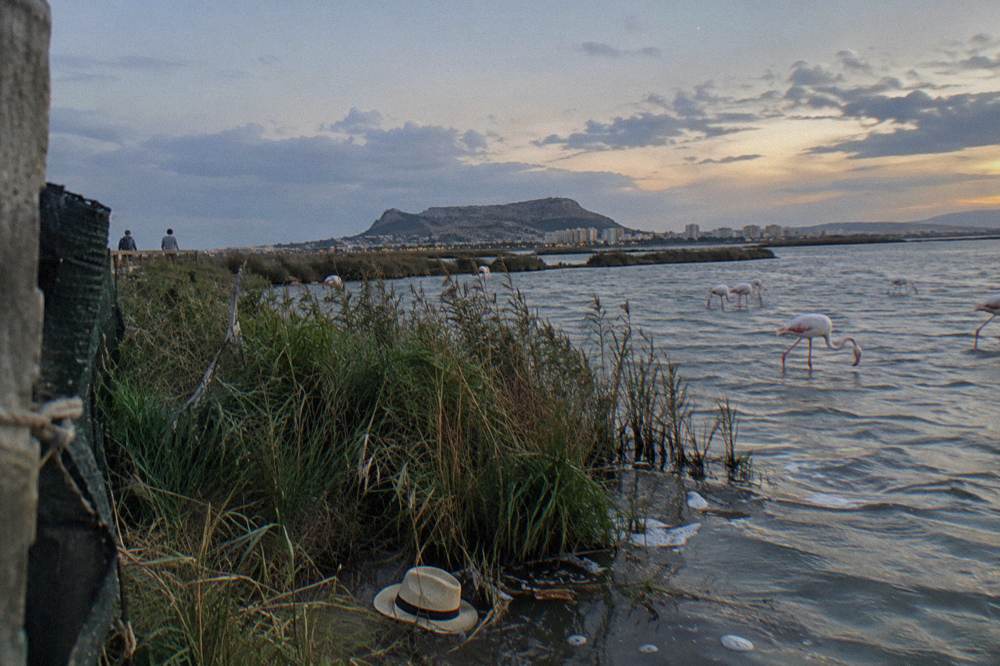
One rule matters if you are planning to ride here: the park permits cycling in its green areas only with non-motorised bikes, per the park's own wording, so an e-bike is not covered inside the managed areas. Guided flamingo rides therefore use the surrounding canals, public paths and the Poetto side, where the listing for each tour mentions flamingos as a highlight. Sightings are never promised, but the birds' year-round presence makes an encounter likely on most visits.
Two rides focus on this side of the city. The Old Town and Flamingos Combo runs about two and a half hours from $56 per person, rated 4.7 across 126 reviews, pairing the historic districts with the lagoon side, bike and helmet included, meeting at NewWaySardinia. The Poetto and Flamingos E-Bike Tour is the longer option, around four hours from $80 per person, rated 4.8 across 85 reviews, group capped at eight, with helmet, bottle of water and local guide included from the Easycletta shop. For more detail on routes and rules, see the Molentargius flamingo bike tour guide.
Can You Ride To Sella Del Diavolo And Poetto?
You can ride to both, but not onto the Sella del Diavolo itself: its trails are part of a protected Natura 2000 site where bicycles are prohibited, so the pattern is to ride the Poetto seafront to the Calamosca end and hike the headland on foot. The Bike and Hike to Devil's Saddle tour does exactly this, about four hours from $78 per person, with guide, e-bike, helmet and water included. If you want to build a fuller day around the headland, our Cagliari bike tour itinerary strings together the old town, the Poetto and the Molentargius canals before the hike.
The Sella del Diavolo, the promontory that closes Poetto's southern end, is a local sore point precisely because so many cyclists ignore the ban, and an environmental group filed a complaint about riders on the banned trails in October 2026. Hiking the top on foot is the legal and better option anyway: the trail from the Calamosca side leads to cliff-edge views over the Golfo degli Angeli. The Bike and Hike listing describes e-biking past Molentargius and Poetto and then hiking to the Devil's Saddle viewpoint, from the Easycletta shop in the Marina district, and with only 10 reviews so far it has too small a pool for a rating claim.
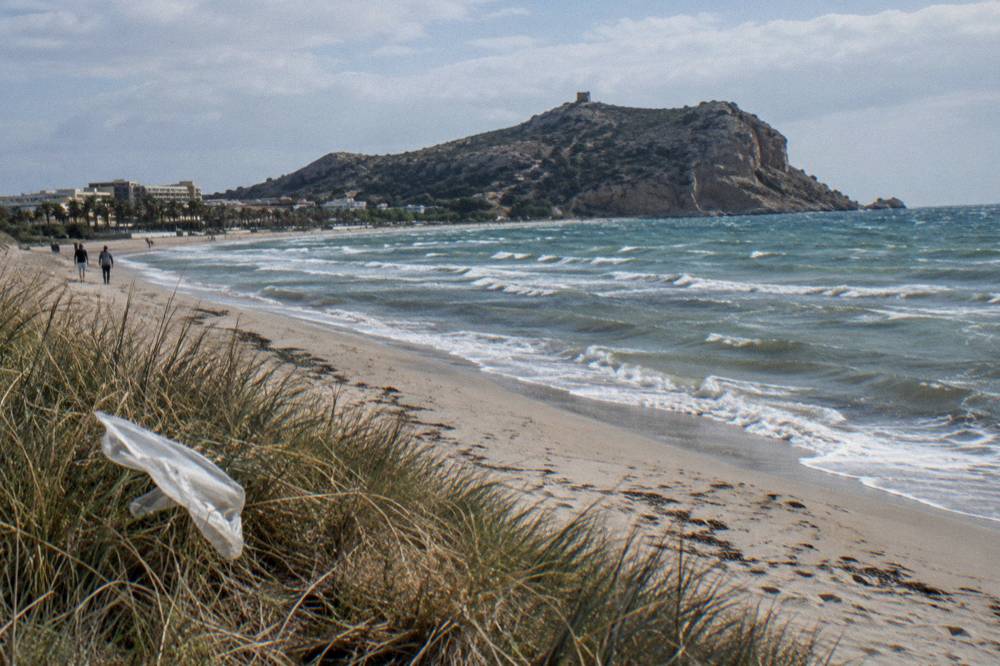
Poetto itself is the easier half of the equation. Eight kilometres of sand run from the Sella del Diavolo headland toward Quartu Sant'Elena, with a mostly asphalt cycle and pedestrian promenade along its full length and shared sections where riders yield to people on foot. Licensed beach establishments rent sun loungers and umbrellas for EUR 10 to 15 per day in season, though most beach bars reduce their hours from roughly October to April. The path along Via la Palma, on the lagoon side, doubles as one of the better flamingo-viewing spots in the city.
Independent riders can cover this ground on a rental: the delivered rental service brings a city or mountain bike, not electric, to your location for about seven hours from $28 per person, though with nine reviews it has no rating to report. The Poetto bike path guide and the Sella del Diavolo by bike and on foot guide cover both halves in detail.
What Can You Do Beyond The City?
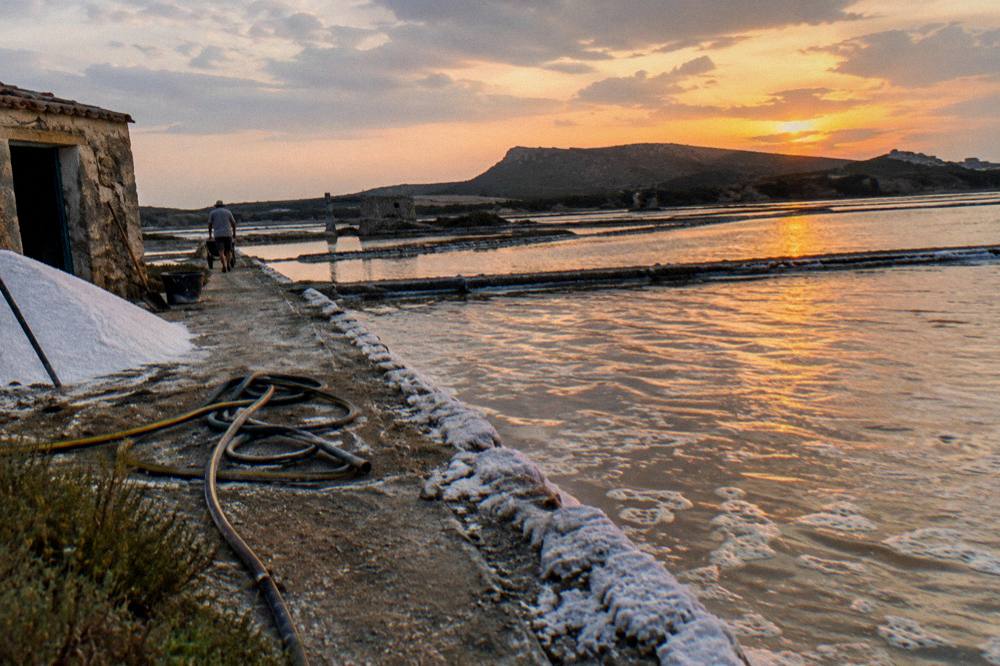
Beyond the city you can ride the flat routes toward Santa Gilla lagoon, take a regional train or bus with your bike to reach towns across southern Sardinia, or book a sunset e-bike ride through the Sant'Antioco salt flats, about two hours from $66 per person, rated 4.9 across 20 reviews. The metropolitan cycle network explicitly links Cagliari to its hinterland, so day trips by bike and train are realistic.
The Sant'Antioco salt flats ride is the most atmospheric of these: a two-hour sunset e-bike loop through working salt pans on the island side, group capped at six, helmet and storage bag included, meeting at the Ziru Tour cabin at Porto Ponte Romano. Wind shapes every plan in this corner of Sardinia, because the maestrale blows strongest from May to September and gusts can be fierce on exposed coastal stretches, so a guided sunset ride that knows the sheltered lines is a genuine advantage.
Closer to home, the wine hills roughly 18 km from the city are noted as reachable by bike in about an hour, with Cannonau, Vermentino and Carignano tastings in the countryside. The practical rules for taking a bike further afield are simple: Trenitalia regional trains in Sardinia carry one bicycle or e-bike per traveller, maximum length 2 m, for a EUR 3.50 daily supplement, with folded bikes within size limits travelling free. City buses are stricter, so check CTM rules before counting on one. The day trips from Cagliari by bike and train guide lays out the workable combinations. Back in the city itself, the guide to which parts of Cagliari you can cover on foot explains where the steep districts make walking a slog and when an e-bike earns its keep.
When Is The Best Time To Visit Cagliari?
The best time to visit Cagliari for cycling and walking is March to May or September to October, when highs run roughly 17 to 28 degrees and the summer wind and crowds ease. July and August average highs above 31 degrees with almost no rain, which pushes most riders to early mornings, and the flamingo colonies are largest from April to September.
Each season changes what the city offers. Spring brings the Sant'Efisio procession on 1 to 4 May, when the Sant'Efisio processions pass through Stampace and Via Roma and central streets close, a spectacle worth planning around either to join or to avoid. Summer is beach season at Poetto but also cruise season at full tilt: the 2026 port calendar projects 181 calls and more than 600,000 passengers, and October still saw four ships in port on a single day. Autumn keeps sea temperatures swimmable and the light soft. Winter is mild, quiet and the season when the flamingos, present all year, have the lagoon more to themselves.
| Period | Conditions | What stands out |
|---|---|---|
| March to May | Highs roughly 17 to 25 degrees | Sant'Efisio on 1 to 4 May, flamingo colony building |
| June to August | Highs above 31 degrees, little rain | Poetto swimming, peak cruise calls, strongest wind |
| September to October | Highs in the mid 20s | Warm sea, large flamingo colonies, softer light |
| November to February | Mild, quieter | Year-round flamingos, off-season old town |
The timing questions around the water are answered in can you still swim in Sardinia in October, and the broader month-by-month picture sits in the best time to cycle in Cagliari guide.
What Should You Know Before You Go?
You should know three things before you go: bicycles and e-bikes are allowed in all the central limited traffic zones without a pass, riders must be at least 14 to ride a compliant e-bike on public roads, and helmets are mandatory only for under-18s though every guided tour listed here that states helmet policy includes one. Check each booking page for unstated details such as group sizes and pickup.
The rules are visitor-friendly. The comune's limited traffic regulation, last amended in December 2025, treats bikes and e-bikes alike, so the old town lanes that bar cars are open to two wheels, and parking a bike inside them is permitted. The 150 cm minimum height stated on one old town listing reflects the bike frames rather than a legal limit. What is not stated on a booking page should be checked there rather than assumed: group sizes appear on some listings only, and hotel pickup is excluded on the tours where the operator says so, with meeting points at Via Santa Margherita 22, NewWaySardinia or Easycletta depending on the ride.
Money-wise, the guided rides cluster tightly. Every old town e-bike option listed here costs from $50 to $56 per person, the flamingo and hike combinations from $56 to $80, and the standalone delivered rental from $28, so the real choice is duration and second half rather than price.
| Ride | Duration | From | Rating | Group cap |
|---|---|---|---|---|
| Two-Hour E-Bike Tour With Coffee | ~2 hours | $50 per person | 4.7 across 281 reviews | Not stated |
| Old Town Guided E-Bike Ride | ~2 hours | $56 per person | 4.9 across 325 reviews | Not stated |
| Old Town E-Bike With Coffee Stop | ~2 hours | $53 per person | 4.9 across 369 reviews | 9 |
| Old Town and Flamingos Combo | ~2.5 hours | $56 per person | 4.7 across 126 reviews | Not stated |
| Bike and Hike to Devil's Saddle | ~4 hours | $78 per person | 10 reviews, no rating | Not stated |
| Poetto and Flamingos E-Bike Tour | ~4 hours | $80 per person | 4.8 across 85 reviews | 8 |
| Sant'Antioco Salt Flats Sunset E-Bike | ~2 hours | $66 per person | 4.9 across 20 reviews | 6 |
| Flamingo Oasis Bike Tour | ~2 hours | $56 per person | 4.6 across 158 reviews | Not stated |
| Bike Rental Delivered to You | ~7 hours | $28 per person | 9 reviews, no rating | Not stated |
Every guided ride above offers free cancellation, so booking ahead of a cruise day or a short stay carries little risk. The one tour built around the lagoon itself rather than the seafront is the Flamingo Oasis Bike Tour, about two hours from $56 per person, rated 4.6 across 158 reviews, with bike and helmet rental included and a meeting point at NewWaySardinia; its listing does not state the bike type, so check the booking page before reserving.
For packing, safety and family questions, the what to bring on a Cagliari bike tour guide and the cycling with kids guide fill in the rest.
Cagliari rewards visitors who treat it as one connected thing rather than a list of separate sights: a morning ride through the four districts, a flamingo stop at the lagoon edge, an afternoon on the Poetto sand and a sunset hike on the Sella del Diavolo together make a single loop of the city's best angles, and most of it is rideable in a day.
Common Questions About Things To Do In Cagliari
What Are The Best Things To Do In Cagliari?
The highlights are the four historic districts of Stampace, Castello, Villanova and Marina, the flamingos at Molentargius-Saline, the eight kilometre Poetto beach and the Sella del Diavolo headland hike. Most visitors combine two or three in a day.
Can You See Flamingos In Cagliari?
Yes. Greater flamingos are present at Molentargius-Saline year round, with the largest colonies from April to September. The best viewing is from the canals and paths on the city and Poetto side of the lagoon.
Can You Bike The Sella Del Diavolo?
No. Bicycles are prohibited on its Natura 2000 trails. You ride to the Calamosca or Poetto end and hike the headland on foot, which is exactly what the Bike and Hike tour does.
How Much Do Cagliari E-Bike Tours Cost?
Old town e-bike rides cost from $50 to $56 per person, flamingo and hike combinations from $56 to $80, and a delivered non-electric bike rental from $28 per person for about seven hours.
Is One Day Enough For Cagliari?
One day covers the old town, a flamingo stop and part of Poetto, especially on a guided ride of two to four hours. Two days let you add the Sella del Diavolo hike or a day trip by bike and train.
Are E-Bikes Allowed In The Cagliari Old Town?
Yes. Bicycles and compliant e-bikes may enter and park in all central limited traffic zones without a pass, though the Molentargius park's own green areas are limited to non-motorised bikes.