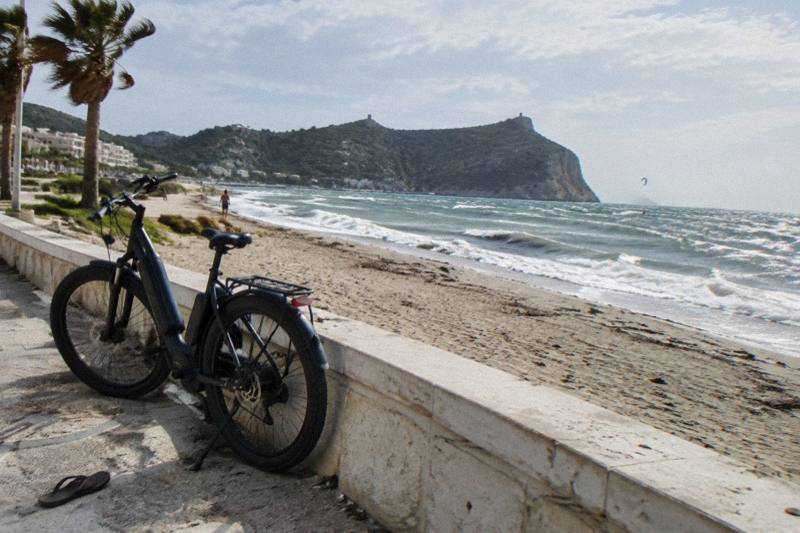
Sella Del Diavolo: Ride To The Trailhead, Hike The Top
The Sella del Diavolo promontory is one of Cagliari's most dramatic viewpoints, but the Natura 2000 protected trails are off-limits to bikes. The honest way to see it is to ride to the Calamosca trailhead and hike the top on foot.
Short answer
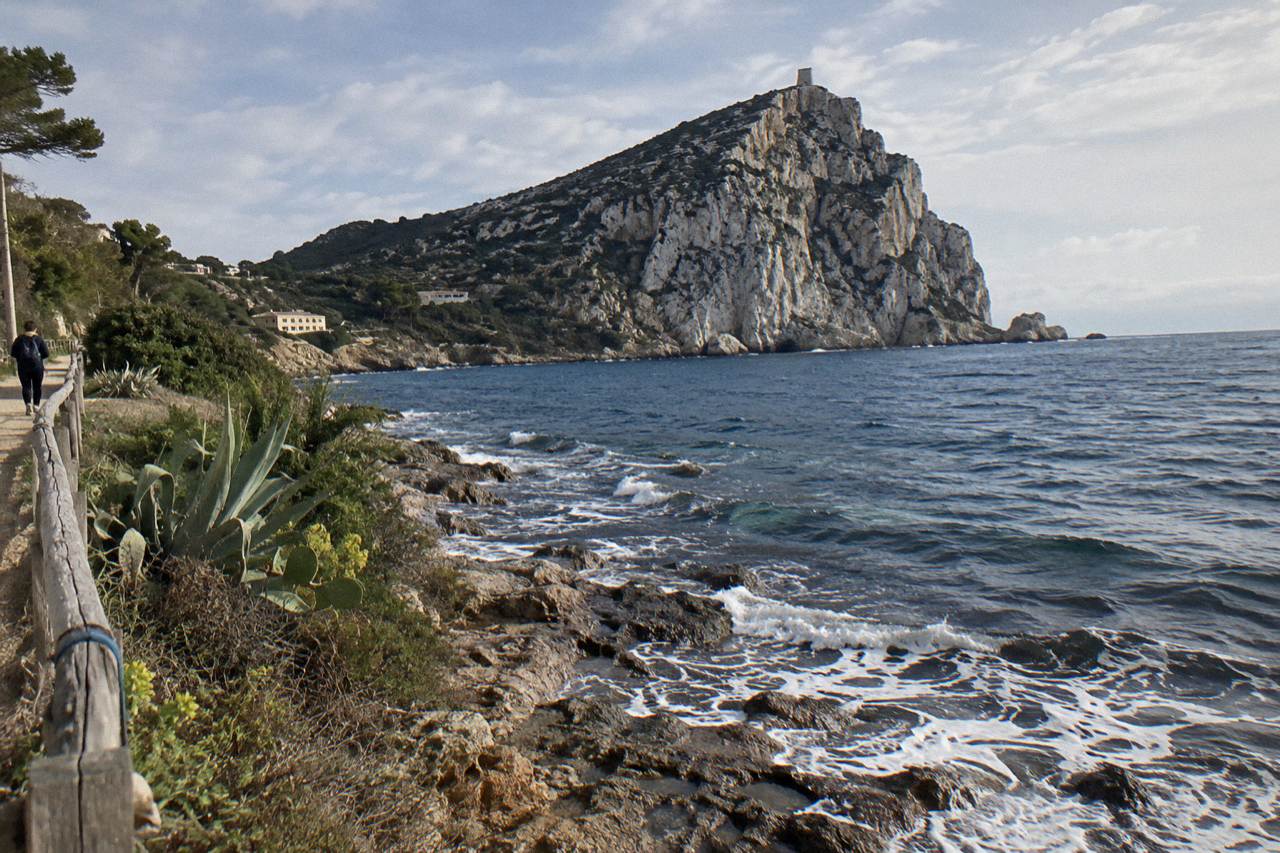
You cannot cycle on the Sella del Diavolo trails because it is a protected Natura 2000 site, and local enforcement actively prevents bike access. The practical solution is to ride an e-bike from central Cagliari to Calamosca along the Poetto cycle path, then hike the short but steep trail to the viewpoint. Several guided tours combine the ride and hike, providing bikes, helmets, and a guide for the hike.
The Sella del Diavolo, or Devil's Saddle, is the rocky headland that separates Cagliari's Poetto beach from the small cove of Calamosca. Its summit offers a sweeping view of the Gulf of Cagliari, the Molentargius salt pans, and the open Mediterranean. This Cagliari Bike Tours guide explains exactly how to reach it by bike and on foot, because the rules are clear: bicycles, including e-bikes, are not allowed on the protected trails. For a detailed look at the route along the seafront, see our Poetto Bike Path Guide.
Why Are Bikes Banned On Sella Del Diavolo?
The Sella del Diavolo is a Natura 2000 protected site, and local regulations prohibit all bicycles on its trails. The ban is actively enforced: in late October 2026, local press reported complaints to the forestry corps and municipal police about cyclists riding illegally on the promontory. E-bikes are classified as bicycles under the Italian highway code, so the same prohibition applies. The only legal way to reach the summit is on foot.
The promontory's trails are narrow, rocky, and used by hikers and wildlife. The Natura 2000 designation aims to preserve the Mediterranean scrub habitat, and wheeled traffic can cause erosion and disturb nesting birds. While some cyclists have ignored the rules, the municipality and environmental groups are stepping up enforcement. If you want to experience the Sella del Diavolo, plan a ride to the Calamosca parking area and a hike from there. The good news is that the ride itself is scenic, flat, and entirely on legal roads and cycle paths. E-bikes are allowed on all Cagliari roads and in the city's ZTL zones without a pass, so you can pedal directly from your hotel or meeting point without worrying about traffic restrictions.
How To Ride To Calamosca And Start The Hike
The most practical route is to follow the Poetto seafront cycle path from central Cagliari to the Calamosca area. The 8 km promenade runs from Marina Piccola towards Quartu Sant'Elena, with dedicated lanes for cyclists and pedestrians. From the city centre, you can join the path near the port or the Stampace district. E-bikes are allowed on all public roads and in Cagliari's ZTL zones without a pass, so you can ride straight from your tour meeting point.
One operator, Easycletta, runs a Bike & Hike tour that pairs an e-bike ride to Poetto beach with a hike on foot to the Sella del Diavolo viewpoint. The tours typically meet at shops in the Marina or Stampace districts, provide e-bikes and helmets, and lead you along the flat coastal route before parking the bikes and walking up. The ride takes about 30 to 40 minutes at a relaxed pace, and the hike is short but steep. No special fitness is required, but you should be comfortable on a bike and able to walk uphill on uneven ground. If you are interested in the flamingos that live in the nearby salt pans, read our guide to the Molentargius flamingo bike tour.
The three tours above take different angles on the coast east of the city. The Flamingo Oasis ride focuses on the Molentargius canals and its pink flamingos, the Poetto and Flamingos tour pairs the salt pans with the long beach, and the Bike Rental Delivery option lets you plan your own route to the Calamosca end of the headland. The Old Town e-bike ride focuses on the historic centre but can be paired with a self-guided ride later. Each one includes free cancellation, so you can book without risk.
What Does The Bike And Hike Tour Include?
The Bike & Hike tour (10 reviews on the live booking page) is a 4-hour guided experience that starts at an Easycletta shop in the Marina district. It includes an e-bike, a helmet, bottled water, and an expert local guide who leads both the ride and the hike. The route passes through the Molentargius canals, along Poetto beach, and then parks at Calamosca for the foot ascent to the Sella del Diavolo viewpoint.
The tour meets at the Easycletta rental shop, a short walk from the port and the Stampace district. The guide adjusts the pace to the group, and the e-bike's pedal assist makes the flat coastal ride effortless. The hike itself takes roughly 30 to 45 minutes each way, depending on the group's speed, and the guide points out landmarks and wildlife along the way. The listing does not state a group size cap; the guided format still keeps the day feeling personal. Because the trails inside the protected area are for walking only, the tour parks the bikes at the official trailhead and continues on foot, respecting the Natura 2000 rules while still giving you the full experience of cycling along the coast and standing on top of the headland.
A few things to keep in mind: the hike is not technical, but it does involve loose stones and some steep sections. Sturdy trainers or hiking shoes are recommended. The tour operator provides helmets, and while Italian law only requires them for riders under 18, wearing one is a good idea on any bike ride. The e-bikes used on this tour are standard pedal-assist models with a 250 W motor that cuts out at 25 km/h, so they handle the flat terrain easily.
The ride-and-hike format is the only legal way to combine a bike trip with the Sella del Diavolo summit. If you prefer to explore on your own, you can rent a bike from one of the city's rental shops or use the CaBuBi sharing system, though e-bikes are limited in the sharing fleet. The CaBuBi network has 60 bikes at 10 stations, including a few pedal-assist models, and is a convenient option for a short ride to the trailhead.

What Other Tours Combine Biking And Coastal Views?
If you want a longer ride with more wildlife, the Poetto and Flamingos E-Bike Tour is a 4-hour option that covers the Molentargius canals, the Poetto seafront, and the flamingo feeding areas before reaching the Calamosca end of the Sella del Diavolo promontory, where the climb continues on foot. It is rated 4.8 across 85 reviews on the operator's listing and costs from $80 per person. The tour includes an e-bike, a helmet, bottled water, and a local guide, with a maximum group size of 8.
The Molentargius-Saline Regional Park is a key stop on this tour. While e-bikes are not allowed inside the park's green areas, the tour follows the public canal paths and the Poetto side, where flamingos are often visible. The park's official website states that only non-motorised bicycles may use the green areas, so the tour keeps to the perimeter roads, which is perfectly legal and still offers excellent views. The park is open daily, with hours from 06:30 to 21:00 from March to mid-October, and 07:00 to 18:00 from mid-October to February. The flamingo colony at Molentargius is present year-round, with the largest numbers from April to September. Even in late October, you are likely to see groups of pink flamingos feeding in the shallow basins. The guide knows the best spots and can explain the history of the salt pans, which give the Molentargius-Saline park part of its name.
For a shorter, city-focused ride that still gets you close to the Sella del Diavolo, the Guided Old Town Tour by Electric Bike is a 3-hour option, the longest of the Old Town e-bike rides. It starts from $56 per person and includes an e-bike, a helmet, a bottle of water, and an expert local guide. The tour does not include the hike, but it ends in the Marina district, from where you can easily ride to Calamosca on your own. The tour is rated 4.7 across 18 reviews, and the small group size makes it a good introduction to the city's cycling culture. After the Old Town tour, you can rent an e-bike for the rest of the day or use the city's CaBuBi bike-sharing system. The ride from the Marina to Calamosca finishes at the foot of the Sella del Diavolo, ready for the walk up, and you can lock the bike at the trailhead before walking up. This two-part approach lets you see the historic centre in the morning and the coastal scenery in the afternoon.
The Old Town tour also passes through the Stampace, Castello, Villanova, and Marina districts, giving you a broad introduction to Cagliari's layered history. The guide shares stories about the Pisan fortifications, the Spanish-era bastions, and the city's role as a trading port. If you are short on time, this tour packs a lot into three hours and leaves you well positioned for a self-guided afternoon ride.
What Should You Bring For The Hike?
The hike to the Sella del Diavolo viewpoint is short but exposed, so bring water, sun protection, and sturdy shoes. The trail has loose stones and no shade, so a hat and sunscreen are essential even in October. A light jacket is useful on windy days, as the Maestrale wind can be strong on the headland. The tour operator provides helmets and water, but you should carry a small backpack for personal items.
| Item | Why You Need It |
|---|---|
| Sturdy trainers or hiking shoes | The trail is rocky and uneven |
| Water (at least 1 litre) | No water sources on the trail |
| Sunscreen and hat | No shade on the hike |
| Light jacket or windbreaker | The Maestrale wind can be strong |
| Small backpack | For water, camera, and layers |
| Camera or phone | Sweeping views from the top |
The Maestrale, Cagliari's dominant northwest wind, is strongest from May to September but can still gust in October. The Maestrale wind can bring blustery afternoons here from May to September; check the forecast before setting out. The hike is not recommended in heavy rain, as the rocks become slippery. If you are visiting in summer, an early morning tour is the best way to avoid the midday heat, when temperatures often exceed 30°C.
Is The Hike Suitable For All Fitness Levels?
The hike is not technical, but it does require a moderate level of fitness. The trail gains some elevation over a short distance, with some steep sections and loose stones. The round trip on foot is a steady walk rather than a quick stroll. The e-bike ride is flat and easy, so the hike is the only physically demanding part. If you can walk up a flight of stairs without getting out of breath, you should be fine.
The tour guide sets a comfortable pace and stops frequently to point out views and wildlife. The path is well-trodden but not paved, so it can be dusty in summer and muddy after rain. The summit offers a sweeping panorama of the Gulf of Cagliari, the Poetto beach, and the Molentargius salt pans. On clear days, you can see as far as Capo Carbonara and the mountains of the interior. The bike ride to the trailhead is entirely on asphalt and flat cycle paths. The Poetto promenade is one of the longest dedicated cycle routes in the Cagliari area, and the city's Biciplan network is expanding to 366 km of cycle routes across the metropolitan area. New bike lanes are being built on over 30 streets, making the ride from the centre even safer.
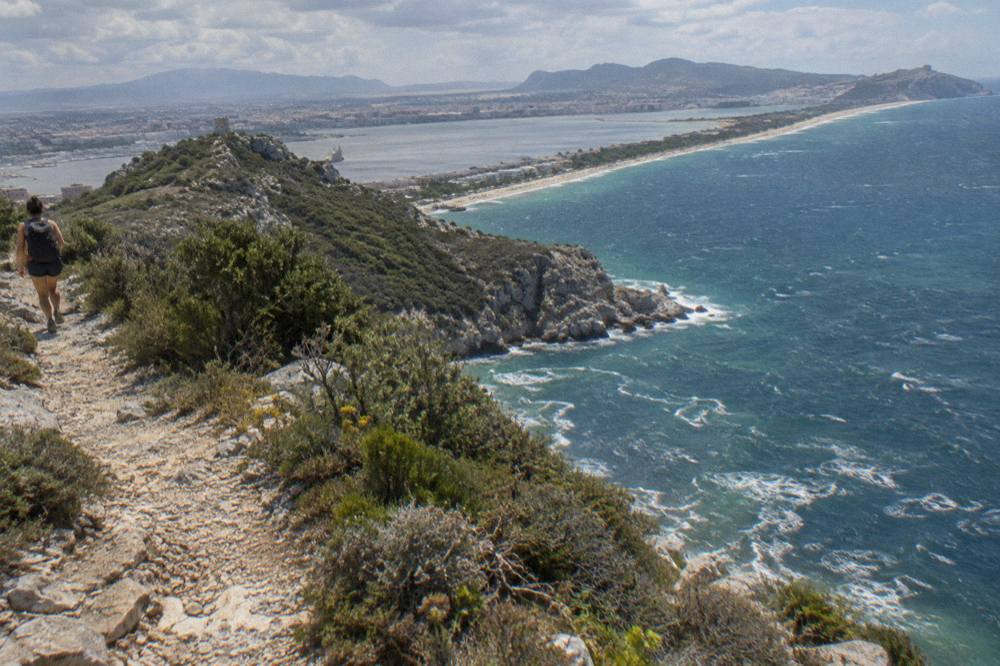
If you are not used to hiking, the guide can suggest an easier pace or a shorter route. The trail is well marked, and the views start long before you reach the top. Even a partial ascent gives you a dramatic perspective of the coastline. The e-bike ride back is equally scenic, with the late afternoon light often turning the salt pans pink and gold.
Which Tour Is Right For You?
The Bike & Hike tour is the only option that includes the hike, so it is the best choice if you want a guided summit experience. The Poetto and Flamingos tour covers more ground and includes the Molentargius canals and the beach, making it ideal for wildlife lovers. The Old Town tour is perfect if you prefer a city-focused ride and plan to hike on your own later.
| Tour | Duration | Price (from) | Includes Hike? | Best For |
|---|---|---|---|---|
| Bike & Hike Tour | ~4 hours | $78 per person | Yes | Guided summit experience |
| Poetto and Flamingos E-Bike Tour | ~4 hours | $80 per person | No, but reaches the viewpoint area | Wildlife and coastal scenery |
| Old Town E-Bike Tour | ~3 hours | $56 per person | No | Historic centre and self-guided hike |
All three tours include free cancellation, so you can book now and adjust later. The Bike & Hike tour has the most active itinerary, split between riding and a stretch on foot, while the Poetto and Flamingos tour offers a longer ride with more stops. The Old Town tour is the most affordable and works well if you are short on time. Below is a more detailed look at what each tour includes and how they compare on ratings and group sizes.
| Tour | Rating | Reviews | Group Size | Meeting Point | Inclusions |
|---|---|---|---|---|---|
| Bike & Hike Tour | Too few reviews to rate | 10 | Not stated | Easycletta, Marina district | E-bike, helmet, guide, water |
| Poetto and Flamingos E-Bike Tour | 4.8 | 85 | Max 8 | Easycletta, Marina district | E-bike, helmet, guide, water |
| Old Town E-Bike Tour | 4.7 | 18 | Not stated | Easycletta, Marina district | E-bike, helmet, guide, water |
If you are visiting Cagliari on a cruise, the Bike & Hike tour and the Poetto and flamingos tour both set out from central Cagliari and carry free cancellation if your plans change. Cruise visitors to Cagliari do not need to depend on ship excursions: booking a bike tour independently lets you reserve a spot ahead and pick the departure that suits your day ashore.
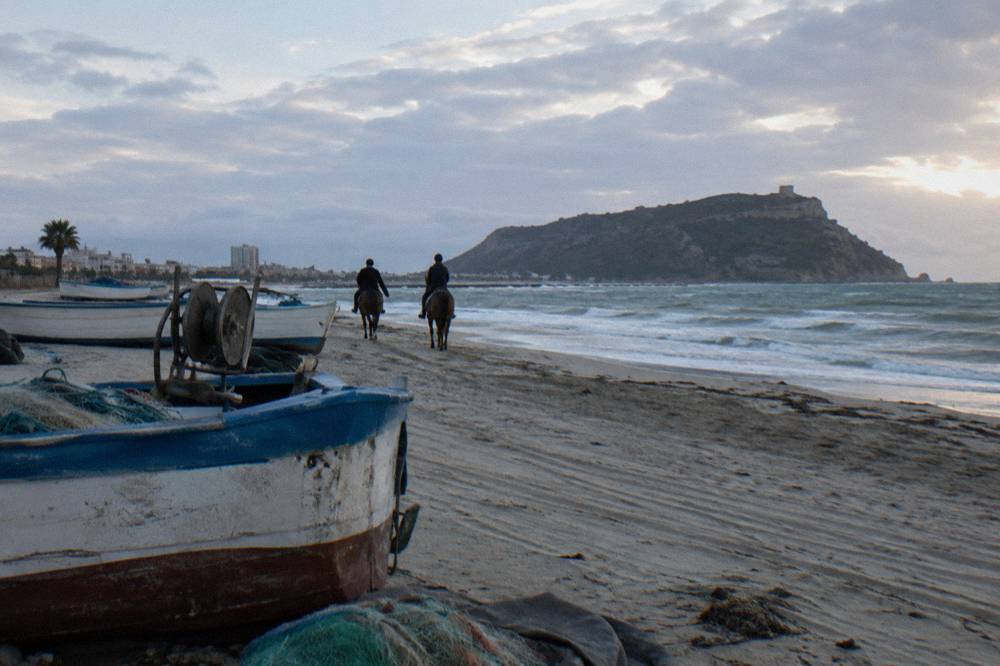
The ride from the port to the Calamosca trailhead is straightforward: follow the waterfront to the Poetto cycle path and continue for about 5 km. The path is well signed and mostly separated from traffic. If you prefer to explore on your own, you can rent a bike from one of the city's rental shops or use the CaBuBi sharing system, though e-bikes are limited in the sharing fleet. The CaBuBi stations are located at key points around the city, and the bikes can be returned to any station, making one-way trips easy.
Several rental shops near the port and in the Marina district offer e-bikes, city bikes, and mountain bikes, with rental options across the city. The CaBuBi bike-sharing system run by the municipality offers a small fleet of classic bikes, pedal-assist bikes, tandems and a cargo bike across one-way stations, though the pedal-assist bikes are few, so plan ahead if you want one if you plan to ride to the trailhead. The Poetto cycle path runs nearly 8 km along the waterfront, flat and mostly separated from traffic. It passes the Molentargius salt pans, where flamingos are often visible without a tour. From the port, it takes about 20 minutes to reach the Calamosca trailhead. If you are on a cruise, allow extra time for the return, as the path can be busier in the afternoon. Starting before 10 am helps you avoid the midday heat and the largest crowds.
Common Questions About Sella Del Diavolo
Can You Bike To The Top Of Sella Del Diavolo?
No. Bicycles, including e-bikes, are prohibited on the Natura 2000 trails. You can ride to the Calamosca parking area and hike the rest of the way on foot.
How Long Does The Hike Take?
The hike from the Calamosca trailhead to the viewpoint takes about 30 to 45 minutes each way, depending on your pace. The trail is steep in places but not technical.
Do I Need A Guide For The Hike?
A guide is not required, but the Bike & Hike tour includes one who knows the route and can point out landmarks and wildlife. If you hike independently, stay on the marked trails.
Are E-Bikes Allowed On The Poetto Cycle Path?
Yes. E-bikes are permitted on all cycle paths and public roads in Cagliari, including the 8 km Poetto promenade. They are also allowed in the city's ZTL zones without a pass.
What Is The Best Time Of Year To Ride And Hike?
Spring and autumn offer the most comfortable temperatures for cycling and hiking. Summer can be hot, but early morning tours avoid the midday heat. The Maestrale wind is strongest from May to September, so check the forecast.
Can I Combine The Ride With A Visit To Molentargius?
Yes. The Poetto and Flamingos tour includes both the Molentargius canals and the Sella del Diavolo area. You can also ride to the park on your own, but remember that only non-motorised bikes are allowed in the green areas.